Role readiness
Crew members are expected to understand the work they are assigned, the tools they use, and the hazards typical of overhead line construction and maintenance.

Pure Power Line Construction
Every job starts with people going home safe—on the right-of-way, around energized equipment, and across every crew.
Safety philosophy
Line work carries inherent risk. Pure Power Line Construction treats safety as an operating standard—not a slogan. Before tools come out, crews align on the task, the hazards, the controls, and the conditions that would pause or stop the job.
We expect clear communication between leads and crew members, respect for utility procedures and landowner constraints, and the discipline to revisit the plan when weather, traffic, energy status, or access changes mid-shift.
Partners who need current safety, insurance, or qualification material can request it directly through our contact pathway.

How we work the day
Step through the operating rhythm crews use to keep scope, hazards, equipment, and emergency readiness aligned through the day.
Crews align on scope, hazards, controls, roles, and how to call for help before tools come out. If the plan changes mid-shift, the briefing is revisited.

PPE matches the task and site. Vehicles, aerial devices, and tools are checked for defects before use—and tagged out when something is not right.

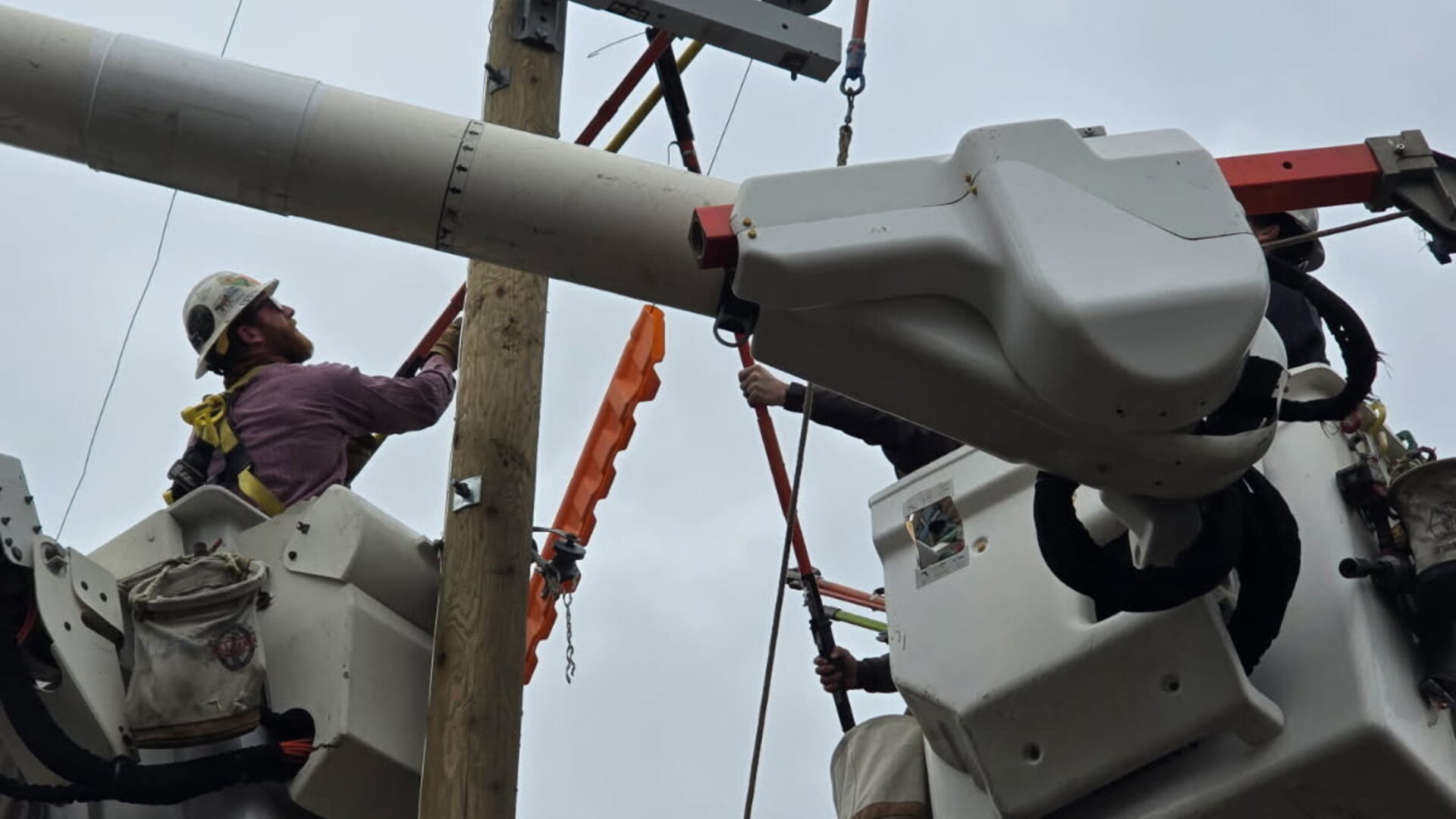
Execution follows the briefing: clear signals between buckets and ground, cover-ups when required, and a pause when conditions no longer match the plan.
Emergency readiness is part of the briefing—muster points, how to call for help, and how to stabilize a scene without creating secondary hazards.

Training framework
Training is ongoing, role-based, and tied to the equipment, hazards, and responsibilities crews encounter in line construction.
Crew members are expected to understand the work they are assigned, the tools they use, and the hazards typical of overhead line construction and maintenance.
Each job brings its own access limits, traffic patterns, energy status, and landowner or utility requirements. Those details are covered before work begins.
Safety expectations are reinforced through briefings, supervision, and after-action conversation—not only through one-time onboarding.
Anyone on the crew can raise a concern and pause work when conditions are unclear, controls are missing, or the plan no longer matches the field.
Utility and commercial partners can request current safety and qualification materials through our contact pathway.